
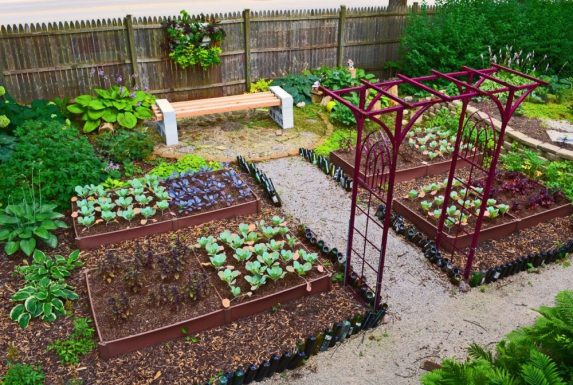
Whether it is basic lawn care or meticulous focus on a flower collection, everyone wants to have an appealing lawn and garden. This desire is often not fulfilled, not because of a lack of effort, but because certain small things can be overlooked. A few special tips for your home garden can make sure you get what you want.
When designing a garden area of your yard, a good place to start is with a tree or hedge as the anchor or structural foundation to your garden. Plant grasses and perennials around the taller centerpiece plant to add texture, color and flow. In time, these plants will fill out as they grow and look splendid against the taller trees or shrubs in the background.
To store your garden-fresh onions for use throughout the winter and avoid having them rot or mold, store them in pantyhose! Yes, pantyhose! Simply place the onions into the legs of pantyhose, and, to avoid letting them touch one another (which is what helps create mold and rot), place a twist tie between each onion and the next. To store, hang the pantyhose by the gusset in a cool dry place and cut off or pop a hole in the pantyhose to grab an onion when you need it.
Fruits
When the vegetable season is over, grow a shoulder season crop if possible. Fruits like strawberries or raspberries bear fruit very early or very late in the season before or after the summer vegetable crops take over and can be planted. Raspberries can be planted to bear fruit in the fall and strawberries can be planted to bear fruit in the spring.
When partaking in gardening activities, particularly in the autumn months, keep an eye on those stink bugs. Stinkbugs are most prevalent on tomatoes, beans and peppers. They can do serious damage in your garden, so look for an effective method of reducing their population.
Health
It is obvious that plants require water to grow. It’s also important to know the amount of water that particular plants actually need. Overwatering or under-watering a plant can severely damage its growth and health. Overwatering can result in root rot, where the water-filled environment encourages the growth of microbes that eat away at the roots. Under-watering a plant can make it’s leaves dry and brittle.
Don’t assume that insects are to blame for all plants ailments. There are many things that can affect the health of a plant. The PH of the water you are using, the location of the plant (under shade vs direct sun), the amount of soil in the pot and several other reasons can be a determining factor.
Soil
Be careful not to over-water your garden. Giving your plants too much water can actually kill them faster than not giving them enough water. Soil that has too much water in it prevents root systems from growing properly. It can even cause your plants to rot from the bottom up.
When taking an organic path to control garden pests, try to build up the soil to allow healthy microbes to flourish. Earthworms are also very important to organic gardening and they should be encouraged to stay in the soil. When the soil is unhealthy, it is not as resistant to pests.
The perfect lawn or garden takes a lot of hard work, time, and devotion. Even with these, though, many gardens can fall short of your goals. By following the tips given here, you can make sure that doesn’t happen, and that your lawn or garden is as good in real life as it is in your head.