
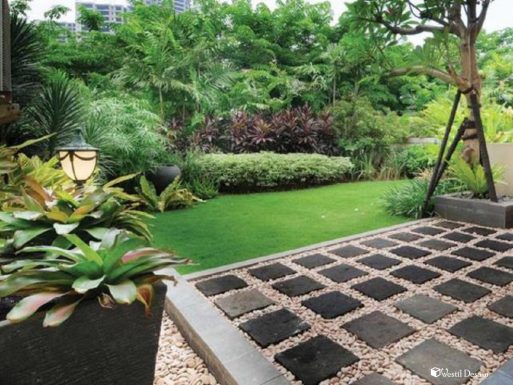
When you think of organic gardening, do you just see it as something that takes a long time to grow without pesticides? If so, then you have a very narrow view of the subject. Organic gardening is so much more than that and it can be personalized so that it works for you. Read on to find out how.
To make your garden more productive, allocate space based on what grows best in your area instead of simply choosing your most favorite crops. Although you may love beets, if tomatoes grow better in your climate then give them more room in your garden and make your beet plantings smaller. Ask your neighbors or take a look around your area to see what grows best in your region.
Vegetable
When planting next season’s vegetable garden, it is important to rotate some of the crops. For example, potatoes and tomatoes should be planted in a different spot because they are both prone to the same diseases. Keep your vegetable garden healthy and thriving by learning which crops need rotating and why.
Vegetable oil can keep your trimmer running smoothly. If you find yourself stopping frequently to deal with trimmer line jams and breaks, get some cooking spray or vegetable oil out the next time you need to refill. Spray the trimmer line thoroughly before installing, and it will feed smoothly without breaking.
Try to grow only as much as you can use in your garden. After eating fresh vegetables, storing, freezing, and giving away to friends and family there is only so much that a person can use. Do not plant fifty tomato plants unless a vegetable stand is in your future because all those tomatoes will rot on the vines and will not be used.
Soil
Be sure to water a tomato patch no more than once every five to seven days. However, when you do water, be sure to give the ground a thorough soaking. Tomatoes do best if the soil is wet deeply, unlike many plants which prefer a light misting more often. Also, be sure to water the ground, not the plants.
Save your eggshells to use as a soil additive. Crushed eggshells add much needed calcium to your garden, and working the shells in also helps keep the soil aerated. A barrier made of crushed eggshells and placed in a ring around your plants can also protect them from snails and slugs. Their delicate bodies are cut and scratched by the jagged eggshells, making them avoid those sections of the garden.
Fruits
Pick your fruits and vegetables first thing in the morning. A morning harvest will ensure that your produce is holding the maximum amount of moisture. Also, if you pick in the morning, this will give you a chance to eat those items that day, when they are their peak of freshness.
When the vegetable season is over, grow a shoulder season crop if possible. Fruits like strawberries or raspberries bear fruit very early or very late in the season before or after the summer vegetable crops take over and can be planted. Raspberries can be planted to bear fruit in the fall and strawberries can be planted to bear fruit in the spring.
To produce the largest and tastiest fruits and vegetables from vine plants, don’t be afraid to pinch off blossoms, as well as the vine, that often trails far and away from the main plant. If you minimize the blossoms on a plant and the distance from the plant to those blossoms, the plant is better able to provide more nutrients to the blossoms that remain which will then result in the biggest and best fruits and vegetables.
After reading through all of that, do you still see organic gardening in the same way? Do you now see that it is so much more than a pesticide-free garden? The work involved is not too bad, but it will take effort and patience to grow an organic garden of your own.