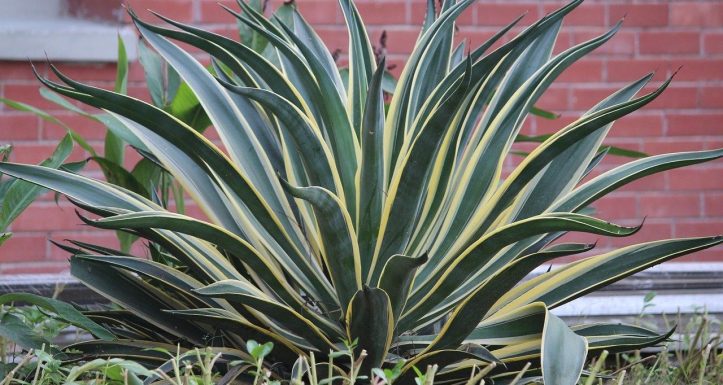
Growing a fantastic garden is not as difficult as many people think, as long as you know what to do. Knowing what it takes to correctly grow your plants will take you from an amateur to a master in no time. Continue to read this article to find out everything you need to know to achieve master gardener status!
Selecting bulbs. Most bulbs are sold during their dormant period. Buy them as early as possible before they start to produce roots. Most spring flowering bulbs will begin to grow roots by early fall, and by planting them early, you will ensure that they have time to establish themselves. Bulbs will deteriorate if kept out of the ground too long. Don’t buy any bulb that is soft or mushy, or appears to be diseased.
Seed
If this is your first time planting a garden, you should purchase seeds and plant them in seed trays to allow them to grow some before planting them outside. By doing this, your plant will be stronger and much more likely to survive once you plant it in the soil outside.
Improve the health of your soil before your plant your crops and seed. Three or four weeks beforehand use organic compounds like mulch, fertilizer, and compost to increase the nutrient value and retention of your soil. It will also improve the retention of water, create a soil buffer, and more.
Seeds take a lot more time and effort to grow than nursery transplants. That being said, planting seeds is much cheaper and gives a greater sense of satisfaction to see something actually grow from seed. Hard to grow plants or perennials are best purchased from a nursery. This is a great way to have a ready-made garden!
Fertilizer
Growing compost piles are a great alternative to buying traditional fertilizer. Compost piles are composed of organic material that slowly deteriorates making a nutrient-rich soil. It presents both a great way of ridding yourself of banana peels and other organic compounds, while providing your plants with a nitrogen rich mixture that will promote increased growth.
Start a compost bin, and enjoy nutrient-rich fertilizer that you can use for your vegetable plants, herbs, flowers and more. Food scraps and peels, coffee grounds, eggshells, newspaper, paperboard, yard waste and other organic matter are perfect additions to your compost bin. Keep a small bucket or bag in your freezer as an odor-free way to collect kitchen waste, and empty the container into the outdoor bin when it is full.
Pest
Avoid chemicals for pest control. Chemicals are effective but can also damage your plants. You should look for natural methods instead. For instance, you can buy jars of ladybugs and release them on your plants. Ladybugs are natural predators for a variety of smaller insects that eat flowers and other plants.
Controlling pests is essential to a high yield garden. There are a variety of products available on the market that will kill any invasive pest in the garden. Many organic pest controls have been perfected over the years that work very well, although they can be more expensive than chemical alternatives. With a quick internet search one can find many safe home remedies for pest control too.
Broad-spectrum pesticides should be avoided in your garden. Broad-spectrum pesticides not only kill pests, but also “good” bugs like ground beetles that eat pests. Beneficial insects are more susceptible to strong pesticides than the insects you are actually trying to get rid of. This will lead you to end up killing off the good bugs in your garden, leaving the field wide open for the harmful ones. This may then lead to using even more pesticides to eliminate this new problem.
Once you know about gardening and how to do the basics, the actual process of gardening is really quite simple. With the tips that were provided, you have the necessary information that will help you turn your garden into a masterpiece.