
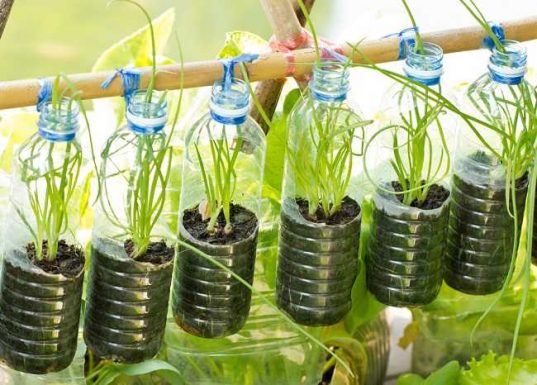
Fruits and vegetables that are grown organically are not only healthy and delicious, but also far surpasses any produce you will find in any supermarket. Don’t buy from the stores, grown your own. Read below to learn how to grow your very own organic garden.
For garden plants that crave and need a lot of water, use five gallon buckets to keep those thirsty fruits and vegetables happy. Simply drill or punch several 1/8″ to 1/4″ holes into the bottom of a five gallon bucket, fill with water and set near the parched plant. Gravity allows for a slow and steady watering of those plants and if you live in an area where you get frequent rain, you will be capturing plenty of rain water to keep those buckets fairly full all season long.
Plant bulbs in your garden if you want flowers through spring and summer. Since bulbs are easy to grow and resistant to poor weather conditions, they will grow without fail year after year. Bulbs bloom during different seasons, if you pick them carefully you will have flowers almost all year.
Use an egg carton to start your seedlings early. Egg cartons are cheap and easy to obtain, and can contain enough soil to get a plant started. Once you’re ready to plant, you can simply rip the carton away from the seedling without damaging the root ball and place the whole soil ball into the ground.
Healthy Garden
Attract positive bugs to your garden. Bugs like lady-bugs actually hunt natural predators to your plants; aphids and caterpillars are just some of the nasty critters that can go through a garden and eat the leaves of the plants. Lady bugs are the natural predators to such pests and help the growth of a good healthy garden by consuming pests.
Test your soil before starting your organic garden. A healthy soil is the primary ingredient in a healthy garden. If you start by testing your soil, you will know what nutrients it lacks, and also which nutrients are in over abundance. Once you find out where your soil stands, you can make natural modifications to help ensure a healthy start for your garden.
Vegetable
When the vegetable season is over, grow a shoulder season crop if possible. Fruits like strawberries or raspberries bear fruit very early or very late in the season before or after the summer vegetable crops take over and can be planted. Raspberries can be planted to bear fruit in the fall and strawberries can be planted to bear fruit in the spring.
Try to grow only as much as you can use in your garden. After eating fresh vegetables, storing, freezing, and giving away to friends and family there is only so much that a person can use. Do not plant fifty tomato plants unless a vegetable stand is in your future because all those tomatoes will rot on the vines and will not be used.
Organic
Make a profit off of the garden by selling micro crops. There is a huge demand for micro crops from restaurants and organic markets who are willing to pay a premium for these fresh vegetables. Specialty mushrooms, baby corn, rare herbs and other micro crops are in very high demand, and can earn a gardener upwards of fifty dollars a pound or more.
Make use of a ground cover, such as mulch or hay. Be sure when you are purchasing your ground cover, that it is also organic, as any chemicals contained in the mulch or hay can be absorbed by your plants. Organic ground coverings will protect the roots of your plants and help prevent water evaporation.
Do not buy bad produce! Use what you’ve read here to get started growing your very own high-quality produce.