
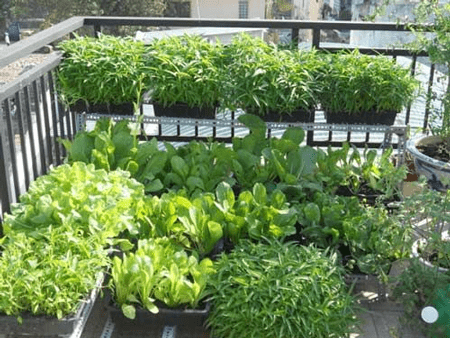
A lot of people are saying that gardening is a subject that is very difficult to do, this is only true if you aren’t informed enough on the subject. To be as successful as you can possibly become you need to learn as much as you can about gardening, look at tips like the ones in this article to form strategies for success.
Select perennials to reduce the amount of care your garden requires. Plants that return year after year usually require only a modicum of weeding and pruning. Edible perennials, such as asparagus, rhubarb, and sorrel, can provide an excellent salad addition for your household without causing too much work for you.
Grow seasonings and kitchen herbs in your garden. Herbs are generally very simple to grow, and can even be made to thrive in a window box or indoor pot. However, these easy plants are very expensive to buy at the store. Growing them yourself can save you significant amounts of money.
Pick your fruits and vegetables first thing in the morning. A morning harvest will ensure that your produce is holding the maximum amount of moisture. Also, if you pick in the morning, this will give you a chance to eat those items that day, when they are their peak of freshness.
Healthy Garden
Attract positive bugs to your garden. Bugs like lady-bugs actually hunt natural predators to your plants; aphids and caterpillars are just some of the nasty critters that can go through a garden and eat the leaves of the plants. Lady bugs are the natural predators to such pests and help the growth of a good healthy garden by consuming pests.
Test your soil before starting your organic garden. A healthy soil is the primary ingredient in a healthy garden. If you start by testing your soil, you will know what nutrients it lacks, and also which nutrients are in over abundance. Once you find out where your soil stands, you can make natural modifications to help ensure a healthy start for your garden.
Vegetable
You need to be realistic about what your garden can and can’t produce. No matter how tempting a particular vegetable may be, if it’s not suitable for your climate, it’s not going to grow well. You’ll get more out of your garden if you focus on plants that are right for your area.
When planting your vegetable garden you must keep in mind that some plants do not grow well together while others do. Remember that some plants cannot be planted next to each other, so you must avoid certain combinations. For example, broccoli cannot be planted next to tomato, and so on.
Organic
Use your coffee grinds in your garden if you are an organic gardener and coffee lover! You can use coffee grounds to make a perfect mulch with just the right amount of acids. It is a wonderful way to compost in a environmentally friendly way.
A great tip when beginning an organic gardening is to add lime to your seed-starter mix. This is done to reduce the acidity of your peat. Too much acidity can damage it. You should aim to add around 1/4 teaspoon of lime in every single gallon of your seed-starter mix.
When beginning your own organic garden, you should always make sure you moisten your mix that is in the containers before you sow the seeds. If your mix is not moist, it will dry out. This could cause your plant to die before it is given a chance to grow.
With the information you have just learned you want to form some new strategies for success in your organic gardening endeavors. Remember that these strategies are good to make and think about but you have to actually apply them in order to make any kind of progress, when you do that success should follow.