
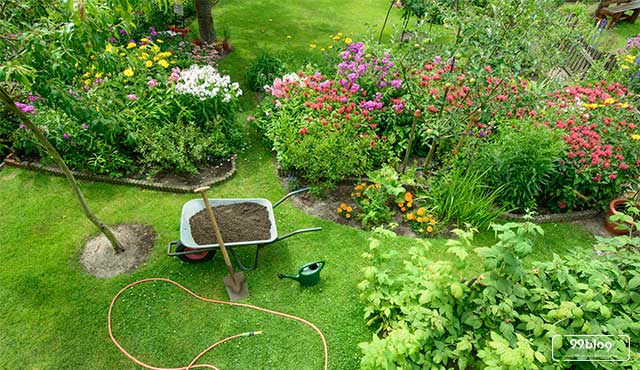
If you are interested in starting your own garden, you will need to do some research first. You will want to know which fruits, vegetables, flowers and herbs can be cultivated in the environment where you live. Certain types of soil are required by some plants but are only available in specific locations.
If you want to have a more productive garden, expand your growing season into the fall by using row covers. Row covers keep heat in, frost out, and also protect against deer intrusion. The crops under the row covers should still be somewhat resistant to cold however, so it is best to choose greens and root vegetables.
Keep herb plants trimmed and bushy. By consistently pruning your herb plants you will create a shorter path for nutrients and allow the leaves to grow fuller and quicker. Keep the plants short through trimming as well and increase the density of the leaves. When at all possible do not allow the herbs to flower.
Make sure your pot is the right size for your plant. If the pot is too small, the plant’s roots may not have enough room to grow. The roots will become “root bound”, stop growing, and begin to suffocate. The size of the root system can determine the size of your plant and yield.
Healthy Garden
Attract positive bugs to your garden. Bugs like lady-bugs actually hunt natural predators to your plants; aphids and caterpillars are just some of the nasty critters that can go through a garden and eat the leaves of the plants. Lady bugs are the natural predators to such pests and help the growth of a good healthy garden by consuming pests.
Test your soil before starting your organic garden. A healthy soil is the primary ingredient in a healthy garden. If you start by testing your soil, you will know what nutrients it lacks, and also which nutrients are in over abundance. Once you find out where your soil stands, you can make natural modifications to help ensure a healthy start for your garden.
Vegetable
When you boil or steam vegetables for cooking, let the water cool and then use it to water your garden. Not only does this reduce your overall water usage, it provides a useful source of nutrients to your place. Your potted plants, especially, will appreciate the extra nutrients provided by your vegetable water.
If you have a vegetable garden and plan on eating the vegetables, you should inspect them carefully every week. Look for bugs and worms or traces of disease and damages. Do not eat a vegetable that does not look healthy. Make sure you wash your vegetables carefully before you cook them.
Organic
Take the time to plant your roses properly and you’ll enjoy greater success down the road. Dig a hole larger enough to easily accommodate the roots and enrich it with organic matter. Build a mound of soil in the hole and drape the roots over it. Fill half way and water to remove any air bubble, then finish filling the hole.
If you are beginning an organic garden, you should make sure that you re-pot your seedlings into larger containers with a compost mix as soon as your seedlings begin crowding each other in their original containers. If you do not do this, your seeds will eventually suffocate themselves and die.
Follow the instructions and you are sure to succeed in your new hobby. Over-watering is a problem some people don’t consider, so it is important to research the needs of your particular plants. It is incredibly rewarding to cultivate a garden from nothing but soil, seeds and water. It’s a great way to reap what you sow.