
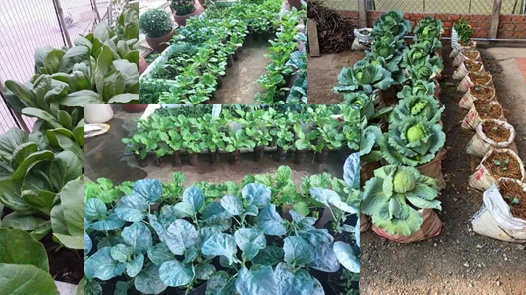
So, you’ve made it. You’re ready to get into organic gardening right? Well, now is the perfect time. You probably have a lot of questions on how to start and what to do, but no worries, this article has you covered. Listed below are some tips that will help you get started with your organic gardening plans.
Let your children be involved in your organic gardening efforts. A garden can provide a wonderful learning experience for children, and will give you an opportunity to bond with them while you produce healthy food.
Vegetable
If you want to grow vegetables, but do not have the room, consider planting vegetables that grow on a vine. Vegetables like squash, melons, and tomatoes can be trained to grow up along a trellis or fence. You can make use of vertical space to get the vegetable garden that you want.
Use a raised garden bed when planting your plants. Not only does it provide a minor defense against the common vegetable pests, raised garden beds are also warmer during the spring. The planter becomes warmer because it isn’t surrounded by several inches of isolating ground-soil. The warmer climate will result you being able to plant earlier.
Encourage bees, wasps, ladybirds and other beneficial insects. These insects are vital in an organic garden. Bees are nature’s most efficient pollinator, and wasps and ladybirds prey on destructive insects in the garden. Ladybirds are particularly effective at ridding your plants of aphids. To attract these beneficial insects, plant companion herbs and flowers around the edge of your vegetable garden.
Fruits
You will need to rotate the plants on a regular basis when you have an indoor organic garden. Plants need to get light from all directions in order to grow properly. If they are not rotated, plants will bend toward a light source, which can actually cause them to produce less fruits and vegetables, than they would have if they had been rotated.
Make easy work of washing your organic produce with a laundry basket. As you pick your produce, lay them in a plastic laundry basket, which works as a strainer. Hold the hose over the top and the water can make quick work of rinsing all the dirt and other matter off of your fruits and veggies.
An organic alternative to chemical fertilizer is compost. You can make your own compost by using fruits, vegetables and other organic wastes from your home. Compost gives your soil the nutrients it needs and improves its structure.
Soil
When raising an organic garden, sometimes a solution to resolving bad soil is to raise your garden bed. Building a garden bed or roost above the regular soil, can allow you to put your own fertilized soil within the bed without the risk of the soil becoming diluted or mixed in with the surrounding area.
Use organic mulch. Any material that is spread over the soil is considered mulch. It helps to keep weeds at bay, holds moisture in the soil, and keeps the ground cool in summer and warm in winter. Examples of mulch include compost, shredded leaves, fine wood chips, straw and grass clippings.
If your backyard soil isn’t conducive to an organic garden, try installing a raised bed. Within the raised bed, you can create your own mix of soil and compost to achieve the ideal soil for raising your crops. Just be sure the bed is at least 16 inches high so that roots have room to flourish.
Now you are much more prepared when it comes to organic gardening. You thought that you were ready before, well look at you, now! Hopefully, the tips that were provided gave you some advice that will help you get started with your organic gardening adventures so that you can begin growing like a pro!