
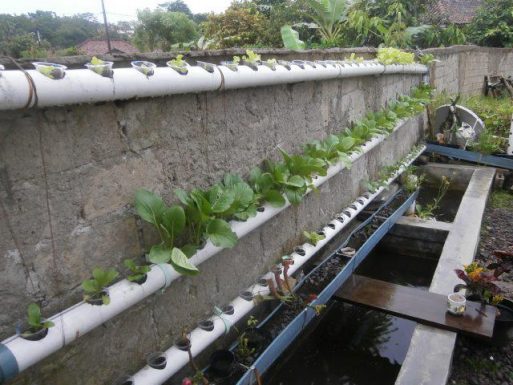
Organic gardening isn’t always about food to eat. Some people enjoy growing flowers and other forms of plant life as well. You can grow anything bereft of harmful chemicals as long as you’re doing it the right way. Make sure you’re always gardening the right way by using the information in the article below to assist you.
Agricultural
Have your soil analyzed by a laboratory for a small fee so that you know which nutrients you need to add. Many college agricultural departments or cooperative extensions will provide this service for just a few dollars. Once you have the report, head to a farm supply company and buy what you need.
Natural or agricultural-grade diatomaceous earth is a gardener’s friend. You can spread this over the soil in your flower beds to keep pests away. Slugs in particular are cut by the tiny, sharp granules. This causes them to quickly dehydrate and will end their existence in your garden. Reapply after any good rain storm.
Flower
Divide large clumps of perennials. Some perennial plants lose vigor and flower less well if the clump becomes too large. Plants like Shasta daisies, bearded irises, phlox, chrysanthemum and coneflower benefit from being divided every three years. Without division they become congested, and the center of the clump will begin to die out. Simply dig the entire plant out, keeping the root ball intact, and divide it into pieces using a shovel. By doing this, you will have at least two or three new plants!
Save money by drying the seeds from your annuals to plant next year. Petunias, zinnias and impatiens are just a few of the flowers from which it is easy to extract and save seeds. You will have to extract the seed pod from some flowers, and wait for it to split open. With others, such as marigolds, you will have to open the flower and extract the seeds yourself. After extracting the seeds, let them dry for at least a week. Place them in a jar with a rubber seal, and add silica gel pouches to keep them from absorbing moisture. Store them in a cool, dry location until you’re ready to plant them next year.
Vegetable
When the vegetable season is over, grow a shoulder season crop if possible. Fruits like strawberries or raspberries bear fruit very early or very late in the season before or after the summer vegetable crops take over and can be planted. Raspberries can be planted to bear fruit in the fall and strawberries can be planted to bear fruit in the spring.
Start a compost bin, and enjoy nutrient-rich fertilizer that you can use for your vegetable plants, herbs, flowers and more. Food scraps and peels, coffee grounds, eggshells, newspaper, paperboard, yard waste and other organic matter are perfect additions to your compost bin. Keep a small bucket or bag in your freezer as an odor-free way to collect kitchen waste, and empty the container into the outdoor bin when it is full.
Fruit
Tie strips of mylar balloons to the branches of your fruit trees just before harvest time. These flapping, shiny straps will frighten away birds and small mammals, protecting your fruit. Just be sure to remove them after the harvest, because if they blow loose, animals may eat them and become ill.
Blend flowering fruit shrubs into your regular landscape. Don’t have a separate area to turn into a garden? Elderberries, blueberries and currants have pretty flowers in springtime and look great in the fall as well. The side benefit of these landscape-enhancing plants is all the fruit they produce for you to enjoy.
Perhaps there isn’t actually a “wrong” way to garden unless you are harming people, but always know that organic is simply a better way. Better-tasting, healthier food that’s far less expensive if you grow it at home — it’s a win-win any way you slice it. Implement these tips and your next garden will be a success.