
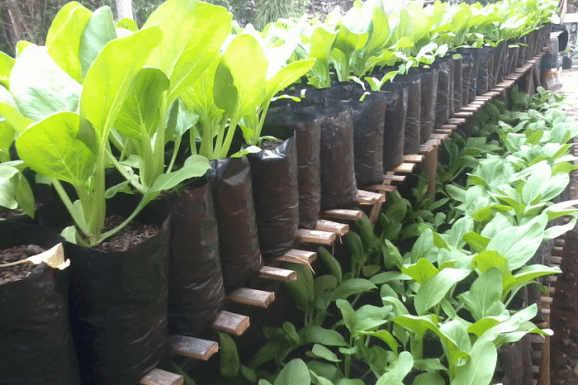
Nobody really wants to think about about what would happen if they invest time and money into an organic garden and it doesn’t grow. Still, if you want your own organic garden to grow, then it’s important to know what you need and what you need to do. That’s what the tips below are for.
Make use of a ground cover, such as mulch or hay. Be sure when you are purchasing your ground cover, that it is also organic, as any chemicals contained in the mulch or hay can be absorbed by your plants. Organic ground coverings will protect the roots of your plants and help prevent water evaporation.
You can gain time by renewing your beds with this method: slice under the turf and turn it over. Cover it with wood chips and wait a few weeks. You can then use this bed to plant your perennial plants. The ground you have turned over should be made richer by the turf that is under it.
Be efficient when working in your garden. You do not have the time to spend an hour looking for each tool you need. Prepare all the tools you need before you go out to work on your garden, and put them away nicely when you are done. Get yourself a tool belt, or wear pants with many pockets.
Do not get rid of weeds by pulling them. This takes you a lot of time and they might grow back. If you notice an area with a lot of weeds, take a shovel and dig under it. Turn the soil over so that the weeds feed your seeds like manure would.
Water your plants during the morning to avoid having fungal growth that generally prefers moisture and darkness. By watering your plants during the day they are best able to take advantage of the sun, and utilize the suns anti-bacterial effects. Some bacteria or fungi are light sensitive, so by watering during the day you benefit the plant by reducing the growth potential of its competitors.
Put coffee grounds in your soil. They contain nitrogenous nutrients which are essential to plant growth. Plants need an adequate nitrogen source in order to thrive. Adding coffee grounds, chemical fertilizer, or diluted urea to your soil increases the soil’s nitrogen content and will help to make your plants grow faster, taller and healthier.
Tea
Making your own compost for organic gardening is extremely simple and easy to do. It provides soil of gardens with rich nutrients and keeps soil cool during summer months. You can use kitchen waste, sawdust, aquarium water, coffee grounds, tea leaves, rabbit or hamster droppings, a thin layer of lawn clippings, spices and eggshells in your compost.
Flower
Use about two to three inches of organic material as mulch in all of your flower beds. By doing this, you can lock in moisture, discourage weed growth, and nourish your plants. This will also give a nice, professional appearance to your garden all year.
Toads can be a gardener’s best friend because of all the troublesome bugs they eat. To attract toads to come visit your garden and stay awhile, keep the garden bedding moist and offer some places where they can safely hide from predators of their own. A useful trick many gardeners use is to place old, broken clay flower pots upside down in the garden to function as a comfy shelter for the hard-working toads.
Organic gardening is a great way to get exercise, as well as, a way to relieve stress. There are many healthful benefits you will reap, especially if your organic gardening efforts reward you with a plentiful harvest. Do yourself a favor and follow the tips in this article so that you can grow a healthy organic garden.